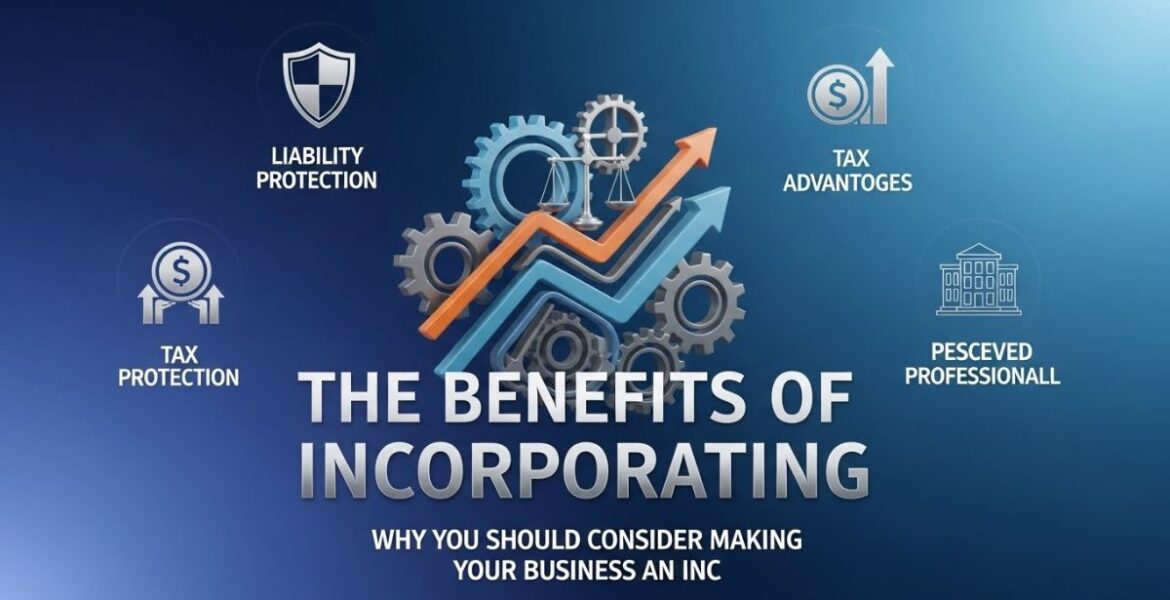
Starting a business is an exciting venture, but as it grows, so do the complexities. One important decision many entrepreneurs face is whether to incorporate their business. You might wonder what incorporation really means and why it’s worth considering. Transitioning to an Inc. can offer significant advantages that go beyond mere paperwork. From protecting your personal assets to unlocking tax benefits, incorporation could be the key to elevating your business’s success and stability.
In this post, we’ll explore what being an Inc. entails and how it differs from other structures you may encounter on your entrepreneurial journey. Let’s dive into the myriad of legal and financial benefits that come with incorporating your business!
What is an Inc. and how does it differ from other business structures?
An Inc., or incorporated entity, is a distinct legal structure that sets your business apart from others. Unlike sole proprietorships or partnerships, an Inc. operates as a separate organization under the law. This means it can enter contracts, own property, and file lawsuits in its name.
The primary difference lies in liability protection. In an Inc., owners (shareholders) are generally not personally liable for the company’s debts. This contrasts sharply with sole proprietors and partners who risk their personal assets if something goes awry.
Additionally, incorporation provides a more formal governance structure with directors and officers overseeing operations. This framework can foster credibility with clients and investors alike.
Choosing to incorporate opens doors to growth opportunities while providing essential protections not typically available in other business forms. It’s about creating stability for your entrepreneurial journey.
The legal and financial benefits of incorporation
Incorporating your business brings several legal benefits that can enhance its credibility. An incorporated company is recognized as a separate legal entity. This means it can enter contracts, sue, and be sued independently of its owners.
Financially, incorporation allows for better access to capital. Investors are often more inclined to fund businesses that have formal structures in place. This structure signals stability and professionalism.
Another key advantage lies in the ease of transferring ownership. Shares can be sold or transferred without disrupting daily operations, making succession planning simpler.
Moreover, incorporated businesses often enjoy lower interest rates on loans compared to sole proprietors. Lenders see them as less risky due to their established framework and financial reporting requirements.
This separation between personal assets and corporate obligations provides significant peace of mind for entrepreneurs looking to grow their ventures while minimizing liability risks.
Tax advantages for incorporated businesses
One of the key reasons many entrepreneurs choose to incorporate is the tax advantages it offers. Incorporated businesses often enjoy lower overall tax rates compared to sole proprietorships or partnerships.
Corporations can deduct a wider range of business expenses, which reduces taxable income. This flexibility allows for strategic financial planning that benefits long-term growth.
Additionally, incorporated entities have access to various tax credits and incentives not available to unincorporated businesses. These opportunities can significantly enhance cash flow and profitability.
Incorporation also paves the way for more sophisticated retirement plans, allowing owners and employees alike to save more while minimizing current taxable income.
This combination of deductions, credits, and advanced planning options creates a compelling case for incorporating your business from a tax perspective.
Protection of personal assets
One of the standout features of becoming an Inc. is the protection it offers for personal assets. When you incorporate, your business becomes a separate legal entity. This distinction is crucial.
Incorporation limits your liability. If your company faces debts or legal issues, creditors typically cannot pursue your personal assets. Your home, savings accounts, and investments remain protected.
This shield allows entrepreneurs to take risks without the fear of losing everything they’ve worked hard for. It fosters a sense of security that can drive growth and innovation in your business.
Additionally, this separation means that any missteps or financial troubles are confined within the corporate structure itself. You can operate with peace of mind knowing there’s a barrier between personal finances and business liabilities.
In today’s unpredictable market landscape, safeguarding personal wealth while pursuing entrepreneurial dreams has never been more essential.
How to incorporate your business
Incorporating your business is a straightforward process. Start by choosing the right name for your company. Ensure it’s unique and compliant with state regulations.
Next, select your incorporation type. Common options include C-corporations or S-corporations, each offering different benefits. Research which aligns best with your goals.
Prepare the necessary paperwork, including Articles of Incorporation. This document outlines essential details about your business structure and purpose.
Once you’ve filed these documents with the appropriate state agency, pay any required fees to finalize the process.
After approval, obtain an Employer Identification Number (EIN) from the IRS to manage taxes effectively.
Create bylaws that will guide how you operate. These internal rules help clarify responsibilities among shareholders and directors as you move forward in your new corporate structure.
Conclusion:
Creating an Inc. can be a transformative step for your business. It offers distinct advantages that set you apart in the competitive landscape. By understanding what incorporation entails, you equip yourself with the knowledge needed to make informed decisions.
The legal protections and financial benefits associated with being an incorporated entity are significant. From limited liability protection to potential tax perks, these factors contribute to a healthier bottom line and peace of mind.
Incorporating also safeguards your personal assets from business liabilities, ensuring your hard-earned possessions remain secure as you grow your enterprise.
If you’re considering taking this important step, the process is generally straightforward. Research local regulations and consult with professionals if necessary; they can guide you through each phase efficiently.
You may also like



Leave a Reply